Leave Your Message

Blog

What Is Six Gentleman Formula in TCM Top 10 Uses?

What Is Six Gentleman Formula in TCM Top 10 Uses?

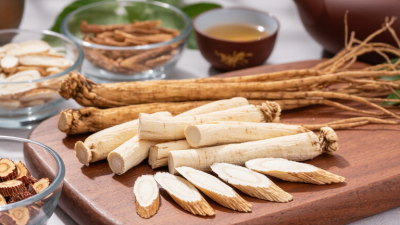
So, what exactly is the Six Gentlemen Formula in TCM? It's a question that comes up a lot for people looking into traditional digestive support. In Traditional Chinese Medicine, Six Gentlemen Formula usually means Liu Jun Zi Tang—sometimes simply called the [Six Formula](https://www.neogreenplants.com/six-formula). It's basically the Four Gentlemen Formula with Chen Pi and Ban Xia added. Practitioners often reach for it when there are signs of Spleen Qi deficiency along with dampness and phlegm. You might hear it discussed when someone has a poor appetite, loose stools, bloating, nausea, fatigue, or that heavy feeling—especially when several of those show up together. The details really do matter. A pale tongue, a weak pulse, and ongoing digestive discomfort can help guide a professional assessment. But one symptom on its own? That's not enough. TCM practitioner Giovanni Maciocia once wrote, “The Spleen is the root of Post-Heaven Qi.” That idea helps explain why digestion and daily energy are so closely linked in TCM. That said, it's not a one-size-fits-all remedy. A dry mouth, burning stomach pain, constipation, or a red tongue might point to a different pattern. It's an easy distinction to miss. Quality matters too—things like botanical identity, how it's prepared, dosage, and contamination testing. And if you're pregnant, taking medication, or managing a chronic condition, check with a licensed practitioner and a medical professional before using it. This guide looks at the top ten traditional uses of Six Gentlemen Formula. It also digs into modern evidence, safety questions, and practical limits. Some claims are still uncertain, and that deserves honest attention. TCM pattern language can't replace diagnosis, lab testing, or emergency care. A careful reader should track changes, note symptoms, and avoid treating marketing promises as clinical proof.
Read more »
Sophie By:Sophie - October 13, 2026
2026 Top Chinese Herbal Granules Manufacturers Worldwide

2026 Top Chinese Herbal Granules Manufacturers Worldwide

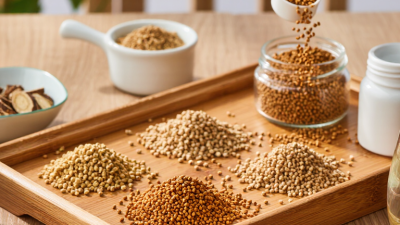
Chinese herbal granules are no longer just a regional pharmacy thing. They’re steadily making their way into regulated healthcare markets around the world. The WHO says traditional medicine is used in 170 countries, and its 2019 Global Report on Traditional and Complementary Medicine points to growing interest in formal regulation, safety, and actual evidence. All of that helps drive demand for standardized Tcm Herbal Granules. Commercial research kind of says the same thing. Grand View Research’s Traditional Chinese Medicine Market Size, Share and Trends Analysis Report flags broader consumer acceptance and better manufacturing as key growth factors. Fortune Business Insights also ties traditional medicine growth to preventive healthcare and product standardization. That said, market estimates vary a lot. Public data are still pretty uneven. And that matters when you’re comparing manufacturers. This 2026 overview looks at companies with manufacturing scale, quality systems, product breadth, and international experience. Names worth mentioning include Jiangyin Tianjiang Pharmaceutical, Guangzhou Yifang Pharmaceutical, Beijing Tcmages Pharmaceutical, Sichuan Neo-Green Pharmaceutical, and Jiangsu Kanion Pharmaceutical. Their capabilities may cover automated extraction, controlled granulation, batch testing, and traceable raw materials. Honestly, those details matter more than slick packaging. Quality isn’t uniform. Not by a long shot. A responsible comparison should look at GMP certification, pharmacopeial testing, contaminant controls, stability data, and export documentation. The WHO Good Manufacturing Practices for Pharmaceutical Products is a useful reference point. But national requirements still vary, so one certificate can’t prove global suitability. Manufacturer rankings are therefore indicative, not absolute. A stronger assessment would include audited production records, complaint histories, and independent lab results. Some companies disclose these things clearly; others don’t. That gap deserves attention before buyers choose a long-term supplier.
Read more »
Sophie By:Sophie - October 10, 2026
How to Source TCM Herbal Granules Wholesale?

How to Source TCM Herbal Granules Wholesale?

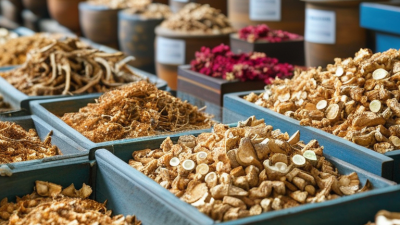
Sourcing Tcm Herbal Granules wholesale? It's not just about comparing prices or scrolling through slick supplier websites. There's a lot more under the hood. You've got to look at botanical identity, manufacturing controls, paperwork, and whether deliveries actually show up on time. A practical review should dig into raw herb origins, extraction ratios, how well the granules dissolve, packaging, and batch-to-batch consistency. And it should also cover how suppliers handle pesticides, heavy metals, microbes, allergens, and storage conditions. The details really do matter. A qualified supplier should give you a clear Certificate of Analysis for every batch. That document needs to match the lot number on each sealed container. You should also ask for manufacturing licenses, GMP evidence, stability info, and traceability records. Rules differ from country to country, so importers need to check local requirements before placing an order. Do that, and you protect patients, practitioners, and distributors. The late TCM authority Giovanni Maciocia once captured a related clinical principle: “Treat the person, not only the disease.” That same reminder applies to wholesale sourcing. A formula should fit professional practice, patient needs, and documented quality standards. It should never be picked just because it's cheap. In practice, weak sourcing decisions often start with pretty catalogs. A glossy website can easily hide incomplete testing records. Even experienced buyers may miss moisture control or vague botanical names. Yeah, that's an uncomfortable weakness worth admitting. This guide looks at how to compare suppliers, verify evidence, assess minimum order quantities, and negotiate dependable terms. It also touches on private labeling, shipping protection, customer support, and recall procedures. The goal isn't to find the cheapest Tcm Herbal Granules. It's to build a transparent supply chain that can handle careful questions.
Read more »
Lila By:Lila - October 7, 2026
Why Do Global Buyers Choose Chinese Clinics?

Why Do Global Buyers Choose Chinese Clinics?

So, why are more and more international patients turning to Chinese clinics? Well, there's a mix of things at play here. For starters, China has a long-standing tradition with medicine—it's part of their cultural heritage. Plus, these clinics are stepping up their game with modern facilities and clear quality standards, which definitely helps build trust. The 2019 WHO report on Traditional and Complementary Medicine highlights that 170 out of 194 member countries are using traditional medicine in some form. That shows there's a huge global buzz about it, but let’s be real—just because something’s popular doesn’t automatically mean it works. Patients still need to do their homework and verify what they’re getting into. Chinese clinics often provide a one-stop-shop experience—think acupuncture, herbal treatments, rehab, and integrative care—all in one place. When you walk in, you might notice that treatment rooms are spotless, appointments are booked digitally, there are bilingual staff members to help out, and forms are detailed but straightforward. Small touches like that really help ease the nerves of overseas visitors. The Chinese government’s National Health Commission also pushes for better integration of traditional Chinese medicine with regular healthcare practices. But, here’s the thing—quality can vary quite a bit from city to city, clinic to clinic, and practitioner to practitioner. That’s a point to keep in mind. According to the WHO’s strategy for Traditional Medicine up to 2034, the focus is on evidence-based practices, safety, regulation, and responsible integration. That’s why savvy patients often look into credentials, check treatment histories, ask about informed consent, and see what kind of follow-up is offered before they make a move. Some even compare accredited clinics, read outcomes published online, and look at transparent pricing—nothing beats good old research. Experts from Deloitte and Patients Beyond Borders also highlight the importance of trust, good communication, and ongoing care when it comes to choosing medical providers abroad. But let’s be honest—it’s easy for clinics to put on a shiny, perfect front online. That’s why independent research and personal verification are so important. The biggest reason many folks pick Chinese clinics might be the perfect blend of cultural understanding and accessible, modern healthcare. Still, don’t go in with sky-high expectations. Traditional approaches aren’t a magic fix for every issue. Responsible clinics are open about any uncertainties, work well with local healthcare systems, and coordinate referrals when needed—that’s when real confidence kicks in.
Read more »
Lila By:Lila - September 30, 2026
7 Best Uses of White Peony Root in TCM?

7 Best Uses of White Peony Root in TCM?

So, you're wondering what White Peony Root is used for in Traditional Chinese Medicine, huh? Well, that’s mainly about Bai Shao, which is basically the dried root of the plant called Paeonia lactiflora. In TCM, practitioners don’t just see it as a magic cure-all; instead, they use it based on specific patterns and individual situations. Its role in any formula really depends on the person, how it’s prepared, and what other herbs are involved. The details are kinda important here, you know? According to the 2019 WHO Global Report on Traditional and Complementary Medicine, a whopping 170 out of 194 countries reported using some form of traditional medicine. Plus, market research from Grand View Research pegged the global herbal medicine market at around $216 billion in 2023. Those numbers tell us that lots of folks are interested in herbal remedies and traditional healing practices. But just because White Peony Root is popular doesn’t mean it magically treats any condition. As Dr. Tedros, the WHO’s Director-General, put it, ‘Traditional medicine has been a valuable part of health care for thousands of years.’ That’s important to remember—it’s worth studying carefully instead of just assuming it’s a cure-all. This guide takes a look at seven traditional uses of White Peony Root in TCM—things like supporting blood health, dealing with menstrual issues, and easing muscle tension. Just a heads up, these are traditional uses, not promises that they’ll definitely work or cure anything. The research on specific herbs, extracts, or formulas can be pretty limited, and the quality of products varies a lot. White Peony Root shouldn’t replace any medical advice or treatment plans. If you’re pregnant, on medication, or have a chronic condition, it’s really best to chat with a healthcare pro to make sure it’s safe for you.
Read more »
Lila By:Lila - September 26, 2026
What Are TCM Herbal Granules and How Do They Work?

What Are TCM Herbal Granules and How Do They Work?

You might come across Tcm Herbal Granules—these are concentrated extracts made from traditional Chinese medicinal herbs. Basically, they’re created by boiling selected herbs, filtering out the liquid, and then drying it into tiny, easily dissolvable particles. The cool part? Patients can just mix these granules with warm water at home—it's way cleaner and quicker than trying to prepare raw herbs in your kitchen, honestly. Dr. Jake Fratkin, who's a doctor and author with a focus on Chinese herbal medicine, describes these granules as “a handy bridge between old-school formulas and today’s clinical practice.” And that really makes sense. Basically, practitioners can tweak formulas more precisely, and for patients, it’s often easier to use daily. But here’s the thing—just because it’s convenient doesn’t automatically mean it’s effective. These formulas still need to be carefully prescribed, with proper assessment, correct identification of herbs, and accurate dosing. In the real world, Chinese herbal granules are chosen based on traditional diagnosis patterns. Practitioners look at a bunch of things—like sleep quality, digestion, energy levels, the appearance of the tongue, and pulse. From a modern science angle, these herbs contain numerous plant compounds that might affect inflammation, digestion, or stress responses, but the research isn’t always clear-cut, and results can vary a lot. Quality control is super important here. Trustworthy brands should verify the botanical identity of the herbs, test for possible contaminants, and stick to strict manufacturing standards. The packaging should include details about what's inside, batch numbers, dose instructions, and expiration dates. Keep in mind, brands like KPC Herbs might differ from other suppliers, so don’t just go by the brand name—check the details. And a quick word of caution: some people might suggest that these granules are a magic fix. That’s not really the case, and it’s worth thinking twice about that kind of claim. They’re not universal cures, and they shouldn’t replace proper medical care when you need it. Getting a good understanding of how these granules are made, prescribed, and monitored can give you a more realistic and balanced perspective.
Read more »
Sophie By:Sophie - September 23, 2026
How to Choose the Right Herbal Supplement Supplier?

How to Choose the Right Herbal Supplement Supplier?

Picking the right herbal supplement supplier isn't just about comparing prices or flipping through shiny product catalogs. You want a partner who actually knows their stuff—someone with real-world experience, solid scientific understanding, and consistent quality checks. It’s important to look for clear botanical names, detailed ingredient info, and batch-specific Certificates of Analysis. These certificates should cover things like purity, microbiological safety, heavy metals, pesticides, and other potential contaminants. Plus, they should be transparent about where each herb is grown, processed, and stored. Honestly, details matter a lot here. A professional supplier should be able to confidently describe their manufacturing standards—no vague promises or buzzwords. Don’t hesitate to ask if their facilities follow recognized good manufacturing practices, and whether qualified labs verify their test results. It’s a good idea to review sample labels, stability data, traceability procedures, and how they handle complaints. For something like a Chinese herbal supplement, double-check that they specify the correct plant species, the part of the plant used, the extraction method, and proper dosage info. Traditional names can sometimes cause confusion, so Latin names and documented specs add an extra layer of control. Getting independent audits can help build trust, but they aren’t the whole story. Sometimes a supplier might showcase shiny certificates but still keep their subcontractors in the dark—that’s definitely a red flag. It’s worth talking directly with their technical team, asking for recent documentation, and checking how quickly they respond. Good, open communication often reveals how well they operate behind the scenes. Remember, the biggest company isn’t necessarily the best choice. The real key is finding someone who plays by the rules, delivers consistent batches, shares honest risk info, and develops products responsibly. No supplier is perfect, but those willing to admit their limitations tend to be more trustworthy over the long haul.
Read more »
Sophie By:Sophie - September 20, 2026
How to Find a Trusted Chinese Herbalist in 2026?

How to Find a Trusted Chinese Herbalist in 2026?

Finding a trustworthy Chinese herbalist in 2026 isn't just about reading those glowing reviews online. Sure, search results can give you a hint, but they rarely tell the full story when it comes to someone’s clinical expertise. A good practitioner should be upfront about their training, official registration, how they conduct consultations, and the safety standards they follow. They should also take the time to ask about your medical history, medications you're on, allergies, whether you're pregnant, and what you’re hoping to achieve with treatment. Look for a Traditional Chinese Herbalist who uses products from reputable suppliers and clearly labels everything. The labels should include ingredients, dosage instructions, batch numbers, and storage tips. A conscientious practitioner will also discuss possible interactions between herbs and any medications you’re taking, and they'll recommend seeing a doctor if your symptoms need more medical attention. They definitely shouldn’t promise miracle cures or push you to stop your prescribed treatments without consulting your doctor first. Paying attention to these small details really matters. Sometimes, you might come across misspellings like “Chiniese Herbalist,” but don’t let that fool you. Instead, check their actual credentials—words can be misleading. You can also ask if they have patient testimonials with permission, how they handle side effects, and whether they offer follow-up support. If you’re in the US, make sure they meet your state’s licensing requirements; in other places, check what local health regulations are in place. Standards vary everywhere. Experience definitely counts, but it’s not the be-all and end-all. Someone with 20 years under their belt can still have gaps in their knowledge. I’d recommend asking straight-up questions and paying attention to how open, respectful, and clear they are in their answers. No directory or website is perfect, so trust your own judgment too. The goal is to come away feeling informed—never pressured, confused, or anxious about the process.
Read more »
Lila By:Lila - September 15, 2026
2026 Best TCM Formulas for Digestive Health?

2026 Best TCM Formulas for Digestive Health?

Back in 2026, more and more folks are turning to Traditional Chinese Medicine formulas for digestive health – it’s like a gentle, time-honored support that feels more natural. People often chat about these formulas when dealing with bloating, irregular bowel movements, poor appetite, or that uncomfortable post-meal feeling. But, you know, symptoms in digestion can come from all sorts of things—your diet, stress levels, meds, infections, or even underlying health issues that need medical attention. Giovanni Maciocia, a well-respected TCM expert, teacher, and author, once said, “The Spleen is the root of Post-Heaven Qi.” I love how that highlights why TCM links digestion to energy, nourishment, and resilience in daily life. When a practitioner looks at someone’s case, they'll check out the tongue, pulse, appetite, stool patterns, sleep quality, and emotional state before recommending a formula. It’s all about paying attention to the small details—what works great for one person might not be right for someone else, or could even worsen their symptoms. This guide takes a practical look at Digestive Health Tcm Formulas, backed by some evidence but also with an honest perspective. We’ll talk about traditional uses, common ingredients, how they’re prepared, safety tips, and what research still can’t say for sure. Some claims remain uncertain, and that’s okay—it's important to be honest about that. Plus, herbal products can interact with medications or vary in quality, so caution is key. If you're pregnant, dealing with a chronic illness, losing weight unintentionally, bleeding, experiencing severe pain, or persistent vomiting, it’s best to see a healthcare professional right away. Remember, TCM formulas are meant to support—not replace—proper diagnosis and treatment. Sure, finding the right formula can be a good start for better digestion, but don’t forget other factors like your diet, hydration, sleep, movement, and setting realistic expectations alike.
Read more »
Emily By:Emily - September 11, 2026
How to Verify GAP Certification for Chinese Herbs

How to Verify GAP Certification for Chinese Herbs

So, you might be wondering—what exactly is Gap Certification for Chinese herbs? Honestly, it’s a pretty important thing to understand before you buy dried roots, flowers, or powdered extracts. Basically, Good Agricultural and Collection Practices, or GAP, look at how the herbs are grown, harvested, identified, dried, stored, and tracked along the way. But here’s the thing—GAP isn’t the same as an official product approval, and it’s not always a universal certificate you can count on everywhere. Back in 2019, the WHO’s Global Report on Traditional and Complementary Medicine revealed that out of 194 member countries, 170 acknowledged using traditional medicine. That actually points to a pretty big challenge when it comes to keeping quality consistent. Things like soil info, pesticide controls, botanical ID, and batch records all matter. They can make or break whether a herb stays consistent from the farm all the way to your shelf. The report also emphasizes the need for stronger quality, safety, and regulatory systems worldwide. Dr. Margaret Chan, who used to be the Director-General of WHO, put it well: “Traditional medicine has always been popular around the world… but today, it’s more popular than ever.” That quote is from WHO’s Traditional Medicine Strategy 2014–2023. Now, while it’s great that more folks are turning to these remedies, popularity alone doesn’t guarantee the quality of the herbs. When you’re checking certifications, it’s a good idea to dig a bit deeper. Look at who issued it, what exactly it covers, where the farm is located, when the audit was done, and what species are included. For example, Chinese Medicine Certification can mean different things depending on the market and certifying body. Sometimes, people get fooled by a sleek logo—it doesn’t really mean much. Real trust comes from tangible proof: field maps, harvest records, lab test results, and a clear, unbroken chain of custody. But even with all that, there can still be gaps. Certification is a helpful tool for doing your homework, but it’s no substitute for independent testing or your own judgment.
Read more »
Sophie By:Sophie - September 8, 2026
2026 How to Source Organic TCM Ingredients for Your Business?

2026 How to Source Organic TCM Ingredients for Your Business?

As more and more folks show interest in organic TCM ingredients, companies are really feeling the pressure to keep up with the changing scene. A recent report from Grand View Research predicts that the worldwide market for organic medicinal herbs could hit around $15 billion by 2027 — talk about a golden opportunity to source high-quality ingredients! When it comes to Traditional Chinese Medicine, sourcing ingredients organically isn’t just a trend; it’s pretty much essential. Dr. Li Wei, who’s kinda a big deal in herbal medicine circles, points out, "The purity of organic TCM ingredients really makes a difference in how effective they are." But sourcing good ingredients isn’t all smooth sailing. Businesses need to be super careful about quality and traceability — not everyone sticks to organic standards. In fact, a survey by HerbalGram found that only about 30% of TCM suppliers can confidently say they follow fully organic practices. So, companies need to do some serious digging to make sure their sources check all the boxes, both legally and ethically. Plus, consumers are becoming more aware, and they’re pretty choosy. A study in the Journal of Alternative and Complementary Medicine shows that about three out of four people prefer products made from organic ingredients. This definitely makes companies rethink how they source their stuff. That said, keeping a reliable supply chain is quite the challenge, and it’s a constant game of staying on top of standards in this ever-evolving market of Chinese Medicine Ingredients.
Read more »
Emily By:Emily - August 31, 2026
TCM Granules vs Traditional Decoction Which is More Effective?

TCM Granules vs Traditional Decoction Which is More Effective?

You know, the whole debate about TCM Granules versus Traditional Decoction — which one’s actually better? It’s been getting a lot of attention from both folks who practice TCM and those who are just curious about natural health. Traditional Chinese Medicine has a long history, packed with knowledge about herbal remedies. Now, TCM Granules offer a more modern twist — super convenient, easy to dose, and pretty quick to prepare. But at the same time, the traditional decoction method is still going strong, rooted in centuries of tradition. Basically, both approaches are about boosting your health and feeling your best. Research suggests that TCM Granules are great for if you want something that absorbs quickly and doesn’t take forever to prepare. They’re definitely becoming more popular because of how practical they are. That said, some folks believe that decoctions are more potent since boiling herbs might unlock more of their beneficial compounds. Still, not everyone has the time or patience to go through the whole decoction process. Many people still swear by TCM Prepared Slices for Better Health. They feel these slices keep the herbs’ essence intact better than granules do. Honestly, the best choice really depends on your personal needs and lifestyle — what works for one person might not be the same for someone else. It’s all about weighing the options based on your health goals and what fits into your daily routine. This ongoing discussion about TCM Granules versus Traditional Decoction really encourages both practitioners and users to think about what’s best in today’s health landscape. Ultimately, it’s a personal journey, and finding what suits you is what matters most.
Read more »
Sophie By:Sophie - August 24, 2026