You know, Traditional Chinese Medicine (TCM) has really been making waves worldwide. Back in 2022, the global market for TCM was estimated to be around $130 billion, and it’s only expected to keep growing as more folks start looking for alternative ways to stay healthy. Understanding how TCM is going international is pretty important—for both practitioners and anyone interested in trying it out.
What’s interesting is that the rise of TCM fits into a bigger trend—people are really gravitating toward more holistic health approaches, especially in Western countries where it’s still gaining ground. Companies like Hunan Jinhuagong Pharmaceutical and Tongrentang are definitely expanding their reach across borders. They’re really setting the bar when it comes to quality, making sure everything meets international standards.
Of course, even with all this momentum, there are still some hurdles. Some folks don’t quite get what TCM is all about, which can lead to skepticism or misconceptions. Plus, there’s a real need for more research and solid data to back up its benefits, so people can feel more confident about it. As TCM becomes more integrated into global health systems, ongoing education and spreading awareness are key—especially when it comes to clearing up misunderstandings and sharing the true essence of Traditional Chinese Medicine In Chinese.
Understanding Global Adoption of Traditional Chinese Medicine: An Overview
Traditional Chinese Medicine(TCM) has gained significant global recognition. This ancient practice offers a holistic approach to health. Many people are drawn to TCM's focus on balance and well-being. Acupuncture and herbal remedies are among its most popular treatments.
In recent years, TCM has made its mark in various countries. Clinics and wellness centers now incorporate these practices. However, understanding TCM requires more than just trying a treatment. Many practitioners emphasize the need for training and experience. Not all practitioners may have the same level of expertise.
Moreover, there are cultural differences that influence TCM's adoption. Some people embrace it wholeheartedly, while others remain skeptical. Misunderstandings can arise from the terminology used. It's essential to bridge the gap between Eastern and Western healthcare perspectives. The journey of TCM's globalization is complex. Continued education and respectful dialogue are vital for effective integration.
The Growth of Traditional Chinese Medicine Practices Outside China
Traditional Chinese Medicine (TCM) is expanding globally at an impressive rate. A report by Grand View Research indicates that the global TCM market is projected to reach $70 billion by 2027. This growth reflects a rising interest in holistic health approaches, particularly in countries like the United States and Canada. More practitioners are incorporating acupuncture and herbal remedies into their treatment options.
In recent years, TCM has become increasingly relevant in places where conventional medicine faces limitations. For instance, studies show that over 44% of Americans have tried alternative therapies, with TCM methods among the most popular. This trend introduces unique challenges. While the demand for TCM grows, practitioners must navigate varying regulations and standardization issues. Many countries lack clear guidelines on TCM practices, potentially affecting safety and efficacy.
Furthermore, the integration of TCM into mainstream healthcare highlights the need for more rigorous scientific research. Existing studies often lack comprehensive methodologies. Without robust data backing TCM's efficacy, skepticism remains. As TCM continues to spread, it necessitates critical evaluations of its practices and outcomes, ensuring they meet modern healthcare standards while respecting traditional knowledge.
Statistical Trends in Global TCM Practitioner Numbers and Training Programs
The global landscape of Traditional Chinese Medicine (TCM) continues to expand significantly. Recent reports highlight a notable increase in the number of TCM practitioners and training programs worldwide. For instance, a survey by the World Health Organization indicates that the number of licensed TCM practitioners has increased by 30% in the last five years. This growth reflects a heightened interest in holistic approaches to health.
Training programs have also proliferated. More than 100 universities worldwide now offer TCM courses, a substantial rise from just a dozen a decade ago. These programs often include training in Traditional Chinese Medicine Herbs, which are pivotal to TCM practices. However, the quality of education can vary. Some institutions lack proper accreditation or experienced instructors. This inconsistency raises concerns about the effectiveness of treatment provided by newly trained practitioners.
While the global TCM community grows, challenges remain. The integration of TCM into Western medicine has not been seamless. Many practitioners find it difficult to communicate the principles of TCM to patients familiar with Western techniques. Bridging this gap requires ongoing dialogue and education. As the demand for TCM continues to rise, it is vital to ensure that practitioners are well-trained and adhere to high standards of practice.
Western Integration of TCM: Case Studies and Success Stories
The globalization of TCM (Traditional Chinese Medicine) is evident in various regions, particularly in North America and Europe. A report from the National Center for Complementary and Integrative Health states that nearly 38% of U.S. adults use complementary and alternative medicine, with TCM gaining popularity for its holistic approach. Many practitioners integrate acupuncture and herbal remedies into standard care.
Case studies highlight successful integrations of TCM in clinical settings. For instance, some hospitals have begun offering acupuncture alongside conventional pain management. This approach has shown promising results, reducing reliance on opioids. However, the integration is not without challenges. There are concerns about inconsistent training and the quality of TCM practitioners in Western contexts. A study from Harvard Medical School indicates that while 70% of patients report satisfaction with TCM treatments, there needs to be a regulatory framework to ensure safety and efficacy.
Furthermore, research reveals that 60% of Western healthcare providers are open to incorporating TCM into their practice. Yet, skepticism remains. The lack of large-scale clinical trials comparing TCM to conventional methods contributes to this hesitation. Integrating TCM effectively requires addressing these gaps and ensuring that practitioners meet certain standards. The dialogue between Western and Eastern medical philosophies continues, shaping the future of healthcare.
5 Tips for Understanding How Traditional Chinese Medicine Is Globalizing
| Dimension | Insight | Case Study | Impact |
| Education Programs | Incorporating TCM courses in Western universities | US universities offering TCM degrees | Increased awareness and professionalism |
| Regulatory Changes | Governments recognizing TCM practices | Licensing frameworks in Canada | Standardization and legitimacy |
| Research Collaborations | Joint studies on TCM efficacy | Studies comparing TCM with modern medicine | Enhanced clinical credibility |
| Cultural Exchange | Promotion of TCM principles in wellness culture | Growing popularity of acupuncture in the West | Integration into holistic health practices |
| Market Growth | Increasing demand for TCM products | Herbal supplements in North American markets | Expansion of the TCM industry |
Regulatory Challenges and Opportunities for TCM Worldwide
The global acceptance of Traditional Chinese Medicine (TCM) faces various regulatory challenges. In a 2020 report by the World Health Organization, over 80% of countries recognized the role of complementary medicine in health care. However, TCM often encounters inconsistent regulations. Countries like the United States have varying state laws, leading to confusion for practitioners and patients.
Additionally, the safety and efficacy of herbal medicines are scrutinized. A 2021 study in the Journal of Ethnopharmacology noted that 70% of herbal products did not meet quality standards. This raises concerns about contamination and mislabeling. The lack of standardized testing and guidelines complicates the integration of TCM into conventional practice.
Despite these challenges, opportunities exist for TCM to establish a more significant global footprint. Collaborations with mainstream health organizations can enhance credibility. Educational institutions are increasingly offering TCM courses, reflecting a growing interest. However, practitioners must navigate a complex regulatory landscape to promote TCM safely and effectively. Continuous dialogue between lawmakers and TCM practitioners is vital for advancing the field.
Cultural Exchange: How TCM Influences Global Health Perspectives
Traditional Chinese Medicine (TCM) has been making waves across the globe, enriching health perspectives around the world. This cultural exchange is essential in understanding how TCM is globalizing. Today, we see TCM influencing alternative health practices in diverse countries. The effectiveness of TCM methods, such as acupuncture and herbal teas, resonates deeply with many seeking holistic approaches.
When exploring TCM's impact, consider these tips. Engage with local practitioners. They can share valuable insights into TCM principles. This firsthand experience can challenge preconceived notions about health. Attend workshops or seminars, allowing for direct interaction with TCM concepts. This exposure fosters appreciation and awareness of Traditional Chinese Medicine Products.
Reading literature on TCM is another way to immerse yourself. This knowledge helps build a foundation. Such resources, however, can sometimes be biased or lack scientific backing. Always find credible sources. TCM may not align with all Western practices. Yet, integrating perspectives can lead to a more comprehensive understanding of health.
Finally, try TCM methods yourself. Visit a local clinic or wellness center. Experience treatments like tai chi or herbal remedies. Reflect on how these practices affect your wellness. It’s essential to remain open yet critical. As TCM continues to globalize, its role in health care systems may evolve. Balancing tradition and innovation is key to its success.
5 Tips for Understanding How Traditional Chinese Medicine Is Globalizing
This bar chart showcases the increasing global interest in Traditional Chinese Medicine (TCM) across various regions over the past decade, highlighting its influence on global health perspectives.
Consumer Demand for TCM and Its Impact on the Global Market
Chinese Medicine (TCM) is experiencing a remarkable surge in global demand. Recent reports indicate a projected growth rate of 18% annually in the TCM market, reaching over $60 billion by 2027. This growth is driven by increasing consumer awareness of wellness and holistic health practices. More individuals are seeking alternative treatments and preventive healthcare options, making TCM more appealing than ever.
The rise in popularity is not without challenges. Different cultures often misunderstand TCM principles and practices. Misconceptions about its efficacy can hinder its acceptance. Moreover, practitioners face the task of maintaining traditional methods while adapting to modern scientific standards. As practitioners share their expertise through workshops and seminars, many professionals emphasize the need for evidence-based research to validate TCM approaches.
While the TCM market flourishes, issues of standardization remain. Quality control and regulatory practices vary widely across countries. The lack of universal guidelines raises concerns about product safety and authenticity. Addressing these issues is crucial as demand continues to grow globally. Without a reliable framework, the integrity of TCM could be at risk.
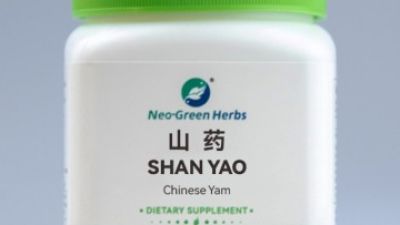
Maximize Your Health: The Benefits of Chinese Yam Granules for Spleen, Stomach, Lung, and Kidney Wellness
Chinese yam granules are a potent herbal supplement revered for their multiple health benefits, particularly for the spleen, stomach, lungs, and kidneys. This natural remedy is specifically formulated to replenish the spleen and stomach, promoting overall digestive health and enhancing fluid production in the body. With these functions, it acts as an essential choice for those looking to boost their wellness and maintain a balanced internal environment.
Incorporating Chinese yam granules into your daily routine can significantly benefit your respiratory and urinary systems as well. By supporting lung health, this supplement aids in respiratory function, ensuring optimal oxygen intake and overall vitality. Additionally, its properties contribute to kidney strength, which is crucial for filter and toxin removal from the body. For the best results, it is recommended to take 1-2 grams of the granules 2-3 times a day or as advised by a qualified Traditional Chinese Medicine practitioner. Proper storage in a cool, dry place is essential to maintain the granules' potency and effectiveness.
FAQS
: TCM is an ancient practice focusing on holistic health, balance, and well-being.
Acupuncture and herbal remedies are among the most popular TCM treatments.
Proper training ensures that practitioners have the necessary expertise for effective treatments.
Some embrace TCM, while others remain skeptical due to misunderstandings or unfamiliarity.
Engage with local practitioners and attend workshops on TCM principles for firsthand insights.
Reading helps build a foundation of knowledge, though some sources can be biased.
Yes, integrating different perspectives can provide a more comprehensive understanding of health.
Trying TCM methods and reflecting on their effects on wellness is a valuable practice.
Continued education and respectful dialogue between cultures are essential for effective integration.
It's important to be open to experiences but also maintain a critical perspective.
Conclusion
The article "5 Tips for Understanding How Traditional Chinese Medicine Is Globalizing" provides a comprehensive overview of the increasing worldwide adoption of Traditional Chinese Medicine (TCM). It discusses the growth of TCM practices outside of China, highlighting statistical trends that show a rise in the number of practitioners and training programs globally. Case studies demonstrate successful integration of TCM into Western healthcare, while also addressing the regulatory challenges and opportunities that arise in various countries.
Moreover, the influence of TCM on global health perspectives is examined, showcasing how cultural exchange plays a pivotal role in its acceptance. The article also delves into the rising consumer demand for TCM products and services, emphasizing its impact on the global market. Overall, it provides valuable insights into how Traditional Chinese Medicine is going global, reflecting a significant shift in health practices and cultural perspectives.