Getting your head around the idea of geo-authentic herbs in Traditional Chinese Medicine (TCM) is pretty important, whether you're a practitioner or just someone really interested in the stuff. Dr. Lian Chen, a well-known expert in herbal medicine, points out that "geo-authentic herbs carry the true essence of their environment, which really impacts how they work medicinally." This kind of explains why where these herbs come from is such a big deal when it comes to their effectiveness.
Basically, geo-authentic means that these herbs are harvested straight from their natural habitats, kind of like letting the herbs do their thing in their own backyard. And because they’re grown in the right conditions, they tend to be more potent and effective. Authentic TCM Prepared Herbal Slicesmade from geo-Authentic Herbs are known for having unique chemical makeup that can give an even bigger boost to their healing powers. So, when herbs grow in their ideal environment, they often reach a level of strength you just can’t get with farmed or artificially grown ones.
That said, understanding what geo-authentic herbs actually mean in TCM can get pretty tricky sometimes. Not every practitioner really digs into how important this is. Plus, misleading labels or shady sourcing can make things all the more confusing. The key is to do some homework—look for trustworthy sources and pick products that stick to genuine geo-authentic herbs. When you do that, you’re more likely to experience the true healing power of TCM. It’s all about knowledge and awareness—getting clued in can really make a difference in how effective your treatments are.
Importance of Geographic Authenticity in Traditional Chinese Medicine
Geographic authenticity plays a vital role in Traditional Chinese Medicine (TCM). It emphasizes the origin of herbal materials, influencing their quality and efficacy. A study by the National Institute of Health found geographic variations can affect the chemical composition of herbs. Herbs cultivated in their native environments often possess unique properties. For example, Ginseng from Northeast China is noted for its superior potency compared to that cultivated elsewhere.
The sourcing of Authentic TCM Herbal Decoction Pieces is paramount. Research indicates that nearly 70% of potential therapeutic effects stem from the plants' environmental factors. Soil quality, climate, and altitude significantly determine the active compounds present in the herbs. However, not all practitioners recognize these subtle differences. Some may overlook geographical significance, leading to varied outcomes in treatment.
Despite the wealth of data supporting geographic authenticity, challenges persist. Many herbal products on the market lack proper labeling, creating confusion for consumers. Additionally, the rise of synthetic alternatives raises questions about the integrity of traditional practices. Maintaining awareness of geographic authenticity can enhance TCM's credibility and efficacy. It encourages practitioners to prioritize quality sourcing and promotes a deeper understanding of herbal medicine.
Key Characteristics of Authentic TCM Herbs from China
Understanding authentic traditional Chinese medicine (TCM) herbs requires careful observation and knowledge. Authentic herbs are sourced from specific regions known for their unique climates. These geographical distinctions play a crucial role in the herb's effectiveness. For instance, ginseng taken from the Changbai Mountains is often more potent than ginseng from other areas.
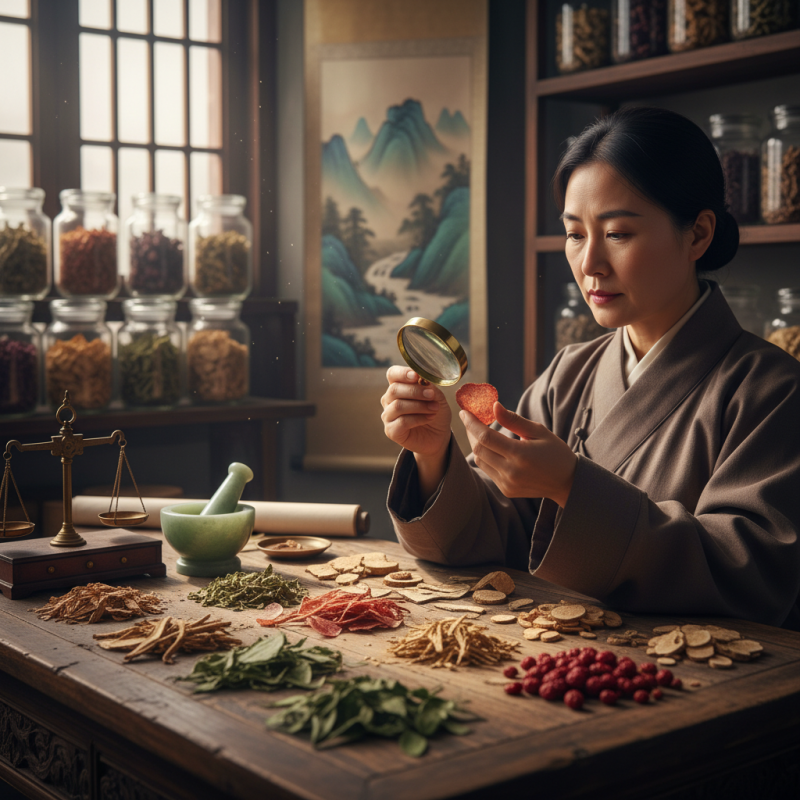
When evaluating herbs, look closely at their physical characteristics. Authentic TCM herbs have distinct colors, textures, and aromas. For example, quality goji berries should be plump and vibrant red. They should also emit a rich, earthy scent. In contrast, inferior herbs may appear dull or dry, lacking the vibrant essence of their authentic counterparts.
Quality assurance is key in TCM. Authentic herbs typically pass rigorous testing methods to ensure their purity and efficacy. However, navigating the market can be tricky. Not all sellers provide transparent sourcing information. It's essential to research trusted sources and consult experts when in doubt. Authenticity is a journey that requires both knowledge and vigilance.
How to Identify High-Quality Geo Authentic Herbs
Identifying high-quality geo Authentic Herbs requires attention to several key factors. First, the origin of the herbs is crucial. Authentic herbs often come from specific geographical locations known for their pure environment and rich soil. For example, traditional Chinese medicine (TCM) emphasizes the use of herbs sourced from regions with optimal climate and conditions. This connection to the land can greatly impact their medicinal properties.
Color and aroma play significant roles in assessing authenticity. High-quality herbs typically exhibit vibrant colors and strong, pleasant scents. According to industry reports, about 70% of consumers can identify genuine herbs by their sensory characteristics alone. Additionally, texture is another indicator; authentic herbs tend to be firm and well-preserved. If herbs feel too dry or show signs of wear, they may not be of high quality.
Buyers should also be cautious about sourcing. Trusted suppliers provide documentation and testing results to validate their claims. Reports indicate that about 40% of herbal products on the market do not meet quality standards. It’s essential for consumers to seek transparency from suppliers. As the market evolves, the challenge remains to discern truly authentic herbs from subpar alternatives.
Common Misconceptions About Chinese Medicinal Herbs
Chinese medicinal herbs are often misunderstood. A prevalent misconception is that all herbs are safe since they are natural. However, a 2020 report from the National Center for Complementary and Integrative Health indicates that some herbs can interact with prescription medications, leading to adverse effects.
It's vital to recognize that not every herb is beneficial for everyone. For example, while ginseng is praised for energy-boosting, it can cause insomnia in some individuals. This highlights the importance of personalized consultation with a qualified TCM practitioner.
Tip: Research credible sources for information on potential side effects and interactions.
Additionally, the quality of herbs varies significantly. A study published by the Food and Drug Administration revealed that nearly 25% of herbal products did not contain the advertised ingredients. Understanding the origins and processing methods of these herbs is essential for effective treatment.
Tip: Always seek herbs that meet quality assurance standards.
By addressing these misconceptions, we can improve the application of TCM in healthcare. Awareness is key when navigating the diverse world of Chinese medicinal herbs.
Sourcing and Purchasing Authentic TCM Herbs in China
Sourcing authentic Traditional Chinese Medicine (TCM) herbs in China requires a nuanced understanding of Geo Herbs. These herbs, rooted in specific environmental conditions, have unique qualities. The quality often depends on their geographical origin. A study indicated that plants from distinct regions possess varying phytochemical profiles, impacting their efficacy.
Identifying reputable suppliers is essential. A report by the China Herb Association found that 70% of TCM practitioners prioritize sourcing from certified growers. This enhances trust in the herbs’ quality. Visiting herb markets in regions like Sichuan or Yunnan provides direct access to producers. Here, buyers can observe the herbs’ condition and verify authenticity.
Issues arise when navigating the marketplace. Mislabeled products are a concern, with research showing that 25% of TCM herbs may not be accurately identified. Conduct thorough checks on supplier credentials. Look for quality-assurance certifications and engage in discussions with suppliers about their sourcing practices. Reflecting on these practices can greatly enhance your knowledge and confidence in purchasing geo-authentic herbs.
Understanding the Quality of Geo Authentic Herbs in TCM
Role of Regional Climate and Soil in Herb Quality
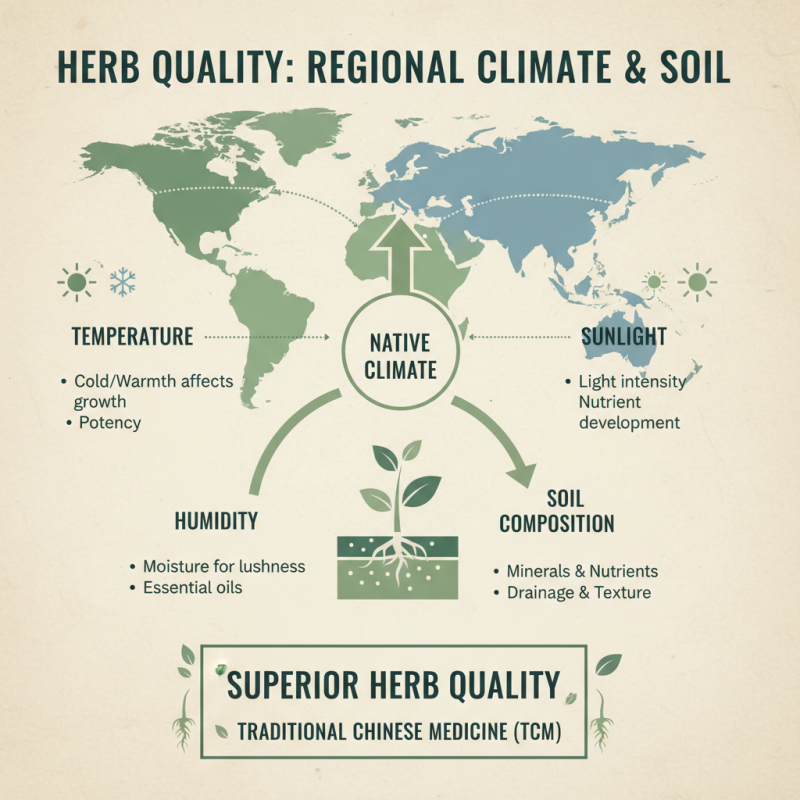
In Traditional Chinese Medicine (TCM), the quality of herbal ingredients is paramount. One crucial factor influencing this quality is the regional climate. For example, specific herbs flourish in distinct weather conditions. Temperature, humidity, and sunlight can greatly affect growth patterns. Herbs grown in their native climates often exhibit superior potency and effectiveness.
Soil quality is equally significant. Rich, mineral-dense soil provides vital nutrients, boosting herbal efficacy. Herbs grown in mountains may absorb more minerals from rocky soil, enhancing their healing properties. Conversely, herbs cultivated in depleted soil may lack essential compounds, reducing their therapeutic value. Farmers and herbalists must recognize these differences.
This understanding isn’t always straightforward. Some regions offer ideal climate conditions but may have poor soil quality. Others might have rich soil yet experience unfavorable weather. Practitioners must weigh these elements carefully. It’s vital to source herbs from regions with balanced climates and nutrient-rich soil for the best health benefits. The quest for high-quality Chinese herbs often requires patience and diligence.
Guidelines for Quality Control and Herb Evaluation in TCM
In Traditional Chinese Medicine (TCM), understanding the provenance of herbs is vital. Quality control begins with sourcing. Geo Herbs must originate from their specific geographical regions to retain their medicinal properties. The unique climate, soil, and altitude contribute vastly to their effectiveness.
Evaluating geo herbs involves sensory assessment. Experts examine color, smell, and taste. Such evaluation requires experience. The appearance should be vibrant, indicating fresh harvests. Aroma often reveals aging or subpar quality. Tasting can unveil subtle flavor differences. These sensory criteria ensure the herbs meet TCM standards.
Quality documentation is crucial but often overlooked. Harvesting and processing logs provide insight into the herb's journey. Inconsistencies in documentation can lead to questions of authenticity. While some institutions maintain rigorous standards, others may falter. Continuous improvement in quality assurance systems for geo herbs is essential for the integrity of TCM.
High Quality China Tips on Understanding Geo Authentic Herbs in TCM
| Herb Name | Geo Authentic Region | Quality Indicators | Traditional Use | Evaluation Criteria |
| Ginseng | Jilin, China | Freshness, Color, Aroma | Energy Boost, Immunity | Origin, Age, Processing Method |
| Goji Berry | Ningxia, China | Color, Size, Drying Method | Vision, Longevity | Harvest Time, Purity |
| Chinese Angelica | Heilongjiang, China | Aromatic Quality, Appearance | Women’s Health, Blood Nourishment | Sourcing Standards, Extraction Method |
| Schisandra | Inner Mongolia, China | Texture, Scent | Stress Relief, Stamina | Botanical Correctness, Historical Use |
FAQS
re all Chinese medicinal herbs safe to use?
Yes, herbs like ginseng can cause side effects, like insomnia, in some individuals.
Research credible sources and look for herbs that meet quality assurance standards.
The right climate ensures herbal potency. Temperature and humidity play crucial roles in growth.
Rich, mineral-dense soil provides essential nutrients, enhancing the effectiveness of the herbs.
Yes, studies show about 25% of herbal products may not contain the claimed ingredients.
Balance between climate conditions and soil quality is essential for effective herbal treatment.
Finding quality herbs requires patience and diligence; it’s not always straightforward.
No, some regions with ideal climate may still have poor soil quality that affects herbs.
Yes, individual health conditions can affect how well a herb works for someone.
Conclusion
Geo-authentic herbs in Traditional Chinese Medicine (TCM) refer to medicinal herbs that are sourced from specific geographic locations known for their unique environmental conditions that enhance the herbs' quality and efficacy. Understanding the importance of geographic authenticity is crucial, as the climate, soil, and regional practices play significant roles in the cultivation of these herbs.
The article outlines key characteristics that define high-quality geo-authentic herbs, including their appearance, aroma, and taste. It also dispels common misconceptions about Chinese medicinal herbs and provides guidance on how to identify and source authentic TCM herbs in China. Additionally, it emphasizes the need for strict quality control measures and evaluations to ensure that the herbs meet the standards of authenticity, thus enhancing their therapeutic potential in TCM practices.